

Mountains rise behind mountains, I often say, an allusion to the fact that a difficulty looms before us, and when we overcome that, another difficulty rises behind it…but when you’re speaking of real mountains, none can rise behind Mount Everest. It is the highest.
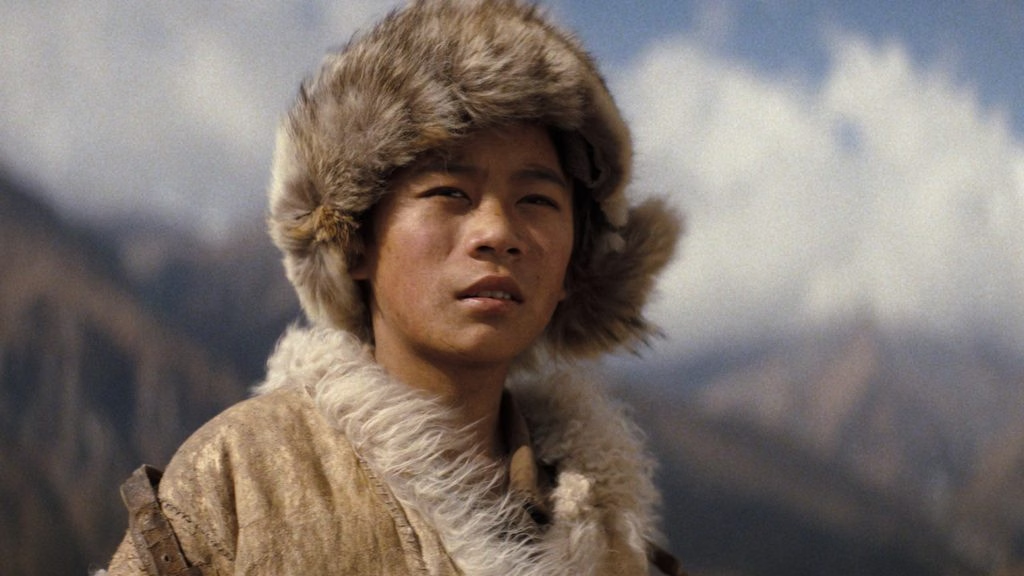
I felt a certain intense interest in the recent Apple TV release of Tenzing. Directed by Jennifer Peedom, the movie tells about Tenzing Norgay (played by Genden Phuntsok during the Everest climb and by Tenzin Dalha as a younger man) and the first expedition to make a confirmed summit of Mount Everest in May of 1953.
My interest is based partly on my recent climb of Mount Fuji, not to mention having recently read Annapurna, A Woman’s Place by Arlene Blum.
The movie begins with Tenzing (Samdrup Dorje Lama) as a boy herding yak. He climbs to the highest hill around and looks in the direction of Everest, calling it “my mountain.” For him, it is “Chomolungma,” the Tibetan name. The camera angle changes, the mountain appears on the screen, it rises, fills the view; its massiveness overwhelming. It is, as Tibetans believe, a goddess.
By 1953, the attempts to summit the massive peak had been going on for 30 years. The mythic George Mallory made a famous failed attempt on Everest, disappearing in 1924. In the movie, the child Tenzing had met Mallory trekking with his expedition to the fatal climb. The boy tries on Mallory’s boots, which he thinks quite wonderful – with such boots a man really could ascend the highest mountain! To his mother, Tenzing describes Mallory as “a man with hair all over his face.”
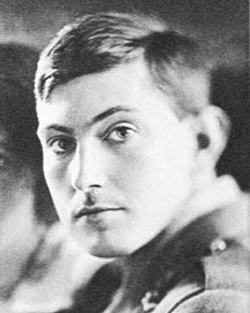
Later, Tenzing realizes that his desire to climb demands cooperating with these foreigners who arrive in Tibet with baggage trains and strange clothing. As the movie opens, the viewer already knows the 1953 expedition will succeed, but the question is, how do they succeed and why?
For the successful effort, the British will contribute planning and fortitude, along with a nationalistic determination to succeed, and a team of 20 Sherpas, led by Tenzing, will contribute knowledge, strength, creativity, and mountain hardihood. Somewhat at odds, somewhat suspicious, but each devoted to the expedition for his own reasons, the 1953 British Everest expedition sets out for Everest from Darjeeling. They will endure difficulties which include poor communication between Sherpa and Westerner, which other climbers, such as Arlene Blum in Annapurna, have written of as well. But the bond that unites them, the quest for the climb, is overwhelming.
Woven into the story of Tenzing’s struggle to be the first man to climb Everest is Tenzing’s struggle to find his place in his world. And the movie as much as anything is a story of that struggle, known so well in our modern day, of people of different cultures working together. The success of Hillary (Tom Hiddleston) and Tenzing is perhaps most interesting because of their mutual understanding and affection which allowed them to climb the storied peak even as they did not completely understand each other’s words. The language barrier is part of this but the cultural barrier is greater. Both men face death without fear, but Tenzing knows death well. Hillary seems, as portrayed in the film, somewhat of an innocent, a man who can be brave because, perhaps, he has never known real loss.
Tenzing has known real loss. And he is nothing if not a man of Tibet, of the Sherpa culture, of the Buddhist faith. Through mountaineering, he becomes a man of the wider world at the same time as holding to his Himalayan roots.
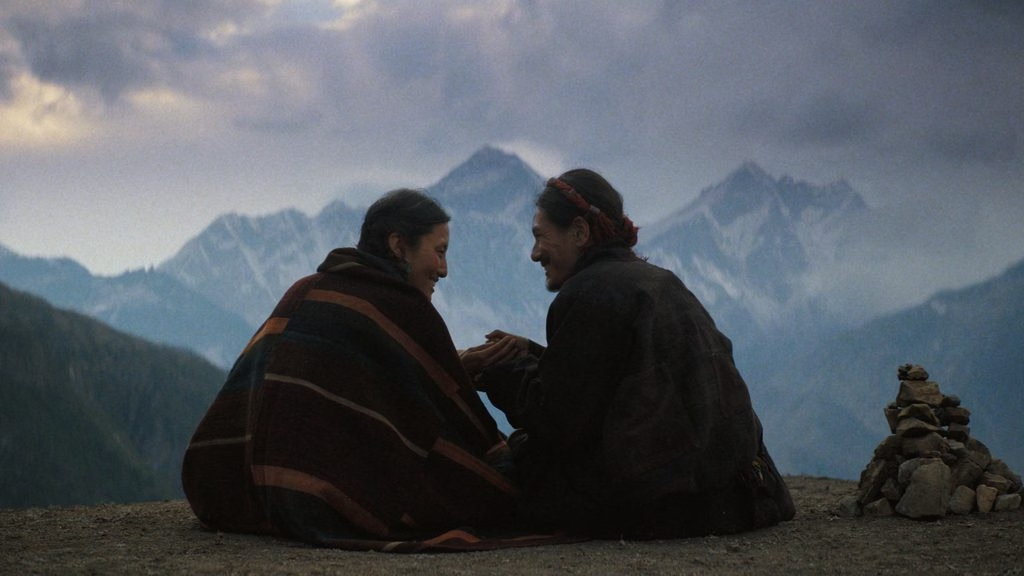
His family stories are woven in and they contribute as they must to understanding of this character. Left for a time, due to illness and financial difficulties, in a monastery, Tenzing grew up a working man, not an aristocrat like the British men he climbs with. His romance with a beautiful local girl, Dawa (Thinley Lhamo), is touching. The struggle between having a family life and being a mountaineer is familiar from stories of Western mountain climbers. In this case, Dawa is Tenzing’s biggest supporter, believing in his dream even when he doubts.
Tenzing’s interior monologue shows him dealing simultaneously with the difficulties of ascending the world’s highest peak, interpersonal struggles that seem to be the mark of every expedition I’ve ever read about, and memories of family members who are lost. He hopes to talk to the goddess of the mountain when he reaches the summit. He tells one of the other Sherpas that the mountain is the bones of the world and we are the flesh. And as one watches the story unfold one wonders: what did the mountain teach the people before Buddhism arrived here?
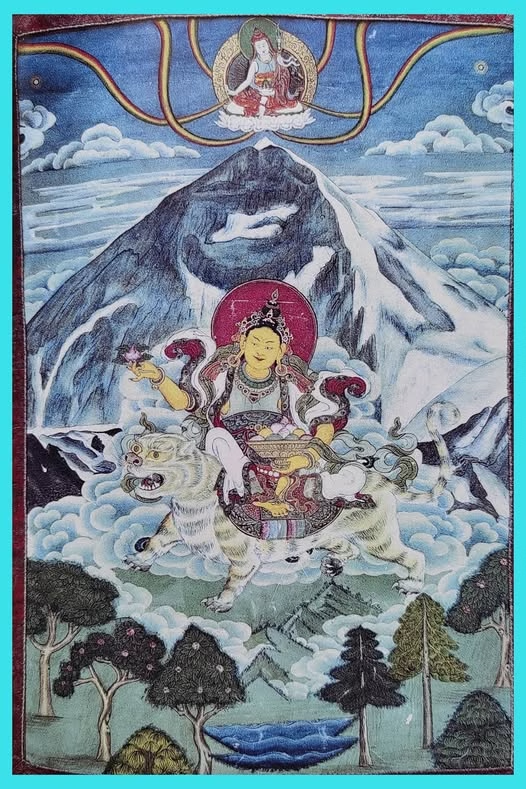
There is something here. The faith of Tibet before the advent of Buddhism, Bon, was an animist religion where mountain fastnesses were the homes of deities both benevolent and malign. The influence of these deities continued to the current day, as part of Tibetan Buddhism. Tibetan religious art brings us a picture of the spirit of the mountain in human form.
A deep reverence for the Earth and for our own lives is what the mountain climber learns. They become more than they were, yes, but they also become smaller when they realize how minute a human is from a distance, climbing like an ant toward a snowy white peak. The memory of my own climb of Fuji returns; the focus on rising, the determination, and the refusal to let oneself forget the careful placement of the feet.
Although the actual actors filmed their sequences on New Zealand mountains, a second unit film crew did visit Everest and shot ground, drone and helicopter photos for the film.
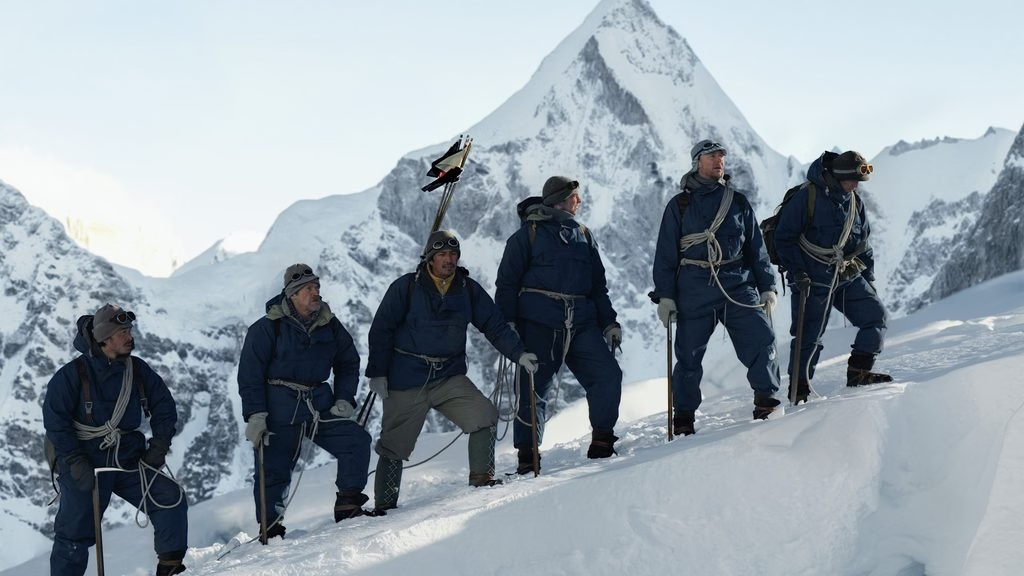
The cinematography in this movie is beautiful and it is remarkable to me for showing the Khumbu Icefall, which I have read about, for showing me a serac falling, snowy ridges with thousand-foot chasms on both sides, and the inside of a tent with the wind blowing outside and men drinking cups of tea and talking of home.
They are thinking of the summit and wondering about death and showing that mountain climbing is just one more manifestation of being human, a very radical one, one that seems outlandishly risky, foolishly dangerous, and unaccountably thrilling. The books of mountain climbing lore are many, and so are the heroes. Tenzing stands among them, an outsider, and yet one who exemplifies all of them. He is the visionary, the man who dreams, who wants to be more than he was born to be. He climbs the mountain, and finds that he is already exactly the man he dreamed of being. He goes to Earth’s extremity and finds at that extremity himself.
The movie can only be called a success. Genden Phuntsok’s performance is very convincing, down to the tone of voice and his winning and optimistic smile. The interior struggle of Tenzing so relatable, the cinematography so beautiful, that even if one paid a high price, it was worth watching. In fact, I’m not at all sorry that I joined Apple TV just to get access to this movie.
Although in terms of narratives, I live mostly in books, sometimes a movie can show you a side of things that you did not see in print. Having watched the movie, I feel a certain serenity when I think of the view of the summit, the tracks leading up and the picture of the two men in old fashioned round snow goggles, wearing oxygen masks, one holding a staff with the flags of England and Nepal, both looking out over all the world.
For that moment to have existed, I have to believe the mountain goddess was pleased. There are stories in mountain climbing lore that the mountain calls the people she wants to climb, and determines their fate as they do. One gets the feeling that the mountain had called Tenzing and that his success was not just the result of all the character traits he demonstrated, but of mysticism. At the summit there is a breath of the supernatural, too, even as the air becomes incredibly thin.


